Guitars
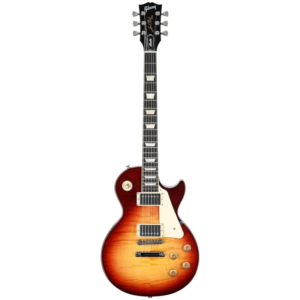
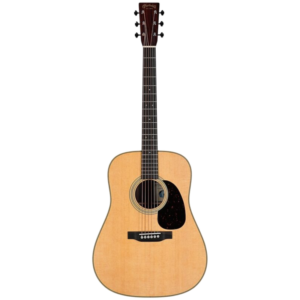
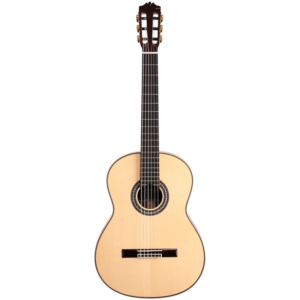
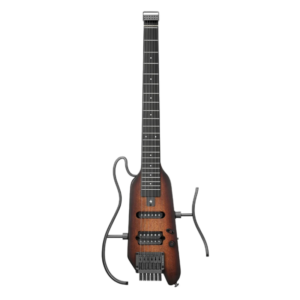
Showing 1–12 of 55 results
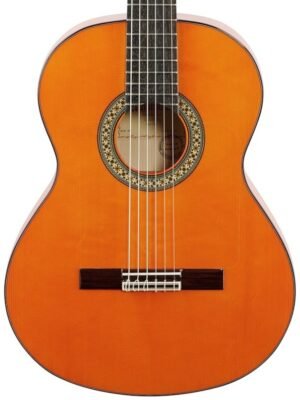
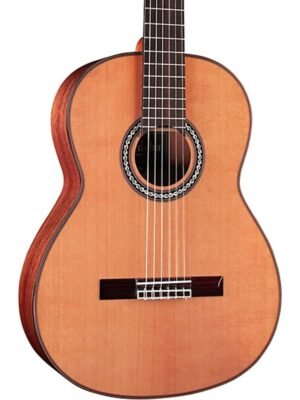
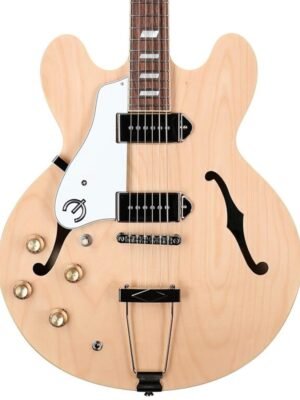
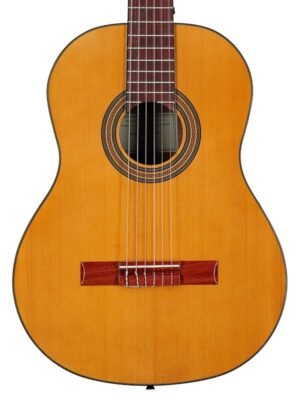
Epiphone E1 Nylon-String Classical Guitar – Antique Natural
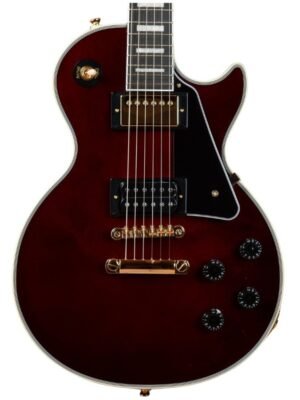
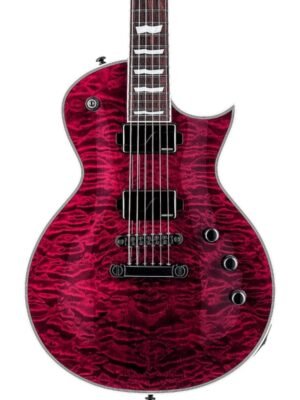
Epiphone Jerry Cantrell “Wino” Les Paul Custom Electric Guitar Wine Red
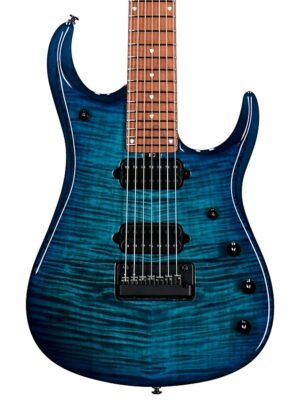
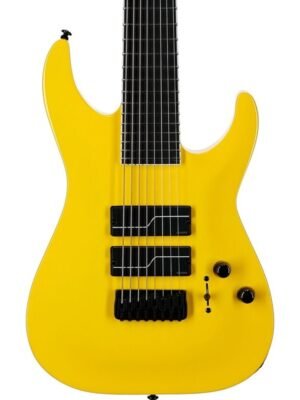
Ernie Ball Music Man JP15 7 John Petrucci Signature 7-string Electric Guitar – Ultramarine
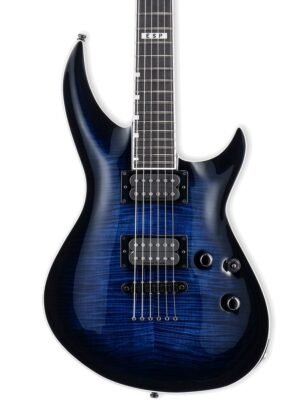
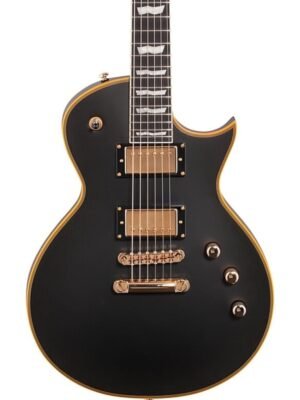
Find the Right Guitar at the Right Price
Finding the right guitar is about more than choosing a brand or picking the model that looks best. The same guitar can be sold by different retailers at different prices, and those prices can change over time.
GuitarsRadar helps you research guitars and compare prices across stores, while tracking prices over time to build a clearer picture of how guitar prices change.
Browse electric, acoustic, classical, and travel guitars above, use the filters to narrow down your options, and open any guitar to compare available prices and learn more about the instrument.
Compare Guitar Prices Across Stores
A guitar does not always cost the same everywhere.
Retailers may run different promotions, discounts, clearance sales, or temporary price drops. Instead of checking several stores one by one, GuitarsRadar brings available offers together so you can compare prices more easily.
When you find a guitar you are interested in, select Compare Prices to view the available offers for that model.
Prices and availability can change, so comparing current offers before buying can help you understand your options and avoid paying more than necessary.
Track Guitar Prices Over Time
Guitar prices can change as retailers introduce promotions, discounts, clearance offers, or new manufacturer pricing.
GuitarsRadar tracks available prices over time so that, as pricing data builds, you can see how the price of a guitar has changed and put the current offer into better context.
For newer products or recently added listings, there may not be enough historical data yet. As more price observations are collected, the price history becomes more useful for identifying price drops and understanding whether a current offer is unusually low.
This means GuitarsRadar is not only designed to help you find the lowest available price today, but also to help you understand how that price compares with previous prices when enough data is available.
Shop Guitars by Type
Different types of guitars are designed for different playing styles, sounds, and situations. If you are not sure where to start, use the guitar categories at the top of the page to narrow your search.
Electric Guitars
Electric guitars are a versatile choice for rock, blues, metal, jazz, pop, country, and many other styles.
They are available in a wide variety of body shapes, pickup configurations, neck profiles, scale lengths, and finishes. Some players prefer traditional solid-body designs, while others look for semi-hollow or hollow-body guitars with a different feel and tonal character.
Browse Electric Guitars to compare models, specifications, current prices, and available offers.
Acoustic Guitars
Acoustic guitars produce sound naturally without requiring an amplifier, making them a popular choice for songwriting, practice, recording, live performance, and casual playing.
Body size, tonewoods, neck dimensions, electronics, and construction can all affect how an acoustic guitar feels and sounds.
Whether you are looking for a compact acoustic, a traditional dreadnought, or an acoustic-electric model for performing, browse Acoustic Guitars to compare available options and prices.
Classical Guitars
Classical guitars typically use nylon strings and are known for their softer feel and warm, rounded sound.
They are commonly used for classical music, flamenco, fingerstyle playing, and other styles where nylon strings are preferred. Their necks are generally wider than those found on steel-string acoustic guitars, providing more space between the strings for fingerstyle technique.
Browse Classical Guitars to compare models from different brands and retailers.
Travel Guitars
Travel guitars are designed for players who want a smaller, more portable instrument.
Some use reduced-size acoustic bodies, while others use compact or unconventional designs to minimize their overall dimensions. They can be useful for travel, practice, smaller spaces, or as a secondary guitar that is easier to carry.
Explore Travel Guitars to compare portable models and find the right balance between size, playability, features, and price.
How to Choose the Right Guitar
There is no single best guitar for everyone.
The right choice depends on the music you want to play, how the instrument feels in your hands, your experience level, and your budget.
Beginners may prefer a comfortable instrument that is easy to play and does not require a large investment. More experienced players may place greater importance on specific pickups, neck shapes, scale lengths, tonewoods, hardware, or construction methods.
Before buying, consider the type of music you plan to play, whether you need amplification, the size and weight of the instrument, the neck profile, the number of strings, and how much you want to spend.
Once you have narrowed down your options, comparing prices across retailers can help you decide which model and offer make the most sense for you.
Why Guitar Prices Can Vary
Two listings for the same guitar may have noticeably different prices.
The difference can come from retailer promotions, discontinued finishes, seasonal sales, inventory clearance, included accessories, changes in manufacturer pricing, or differences in availability.
That is why GuitarsRadar focuses on comparing offers for the same guitar model rather than treating every retailer listing as an unrelated product.
Bringing those offers together makes it easier to understand what a guitar is currently selling for and whether another retailer may offer better value.
New and Used Guitars
Both new and used guitars can offer good value depending on what you are looking for.
A new guitar may include a full manufacturer warranty, predictable condition, and easier returns. A used guitar can sometimes cost significantly less, particularly for older or discontinued models.
Condition matters when comparing used instruments. Cosmetic wear, modifications, replaced parts, fret condition, electronics, and included accessories can all affect value.
When condition filters are available, use them to focus your search on the type of listing you prefer.
Find Guitar Deals Without Chasing Every Sale
Guitar prices change regularly, and a model that is full price today may be discounted later.
Rather than relying only on labels such as “sale” or “deal,” it is useful to compare the current offer with prices from other retailers and, once enough data has been collected, with previous prices for the same guitar.
A genuine deal makes more sense when you can see it in context.
GuitarsRadar is designed to make that comparison easier by bringing current offers, pricing data, and product information together in one place.
Frequently Asked Questions About Buying Guitars
Where can I compare guitar prices?
GuitarsRadar lets you compare available prices for the same guitar from multiple retailers. Find the guitar you are interested in and select Compare Prices to view the offers currently available for that model.
How do I know if a guitar is really on sale?
A sale price is more useful when you have something to compare it with. Check offers from other retailers and, when enough historical data is available, look at how the guitar's price has changed over time. This provides more context than a sale label alone.
What type of guitar should a beginner buy?
That depends mainly on the music the player wants to learn. Someone interested in rock or metal may prefer an electric guitar, while a player interested in singer-songwriter music may prefer an acoustic. Classical guitars can also appeal to beginners because of their nylon strings, although their wider necks feel different from most electric and steel-string acoustic guitars.
The most important thing is choosing an instrument that feels comfortable and encourages you to keep playing.
Is it better to buy a guitar online or in a store?
Both have advantages. Buying in person lets you physically try the instrument before purchasing, while online shopping can provide access to a much larger selection and make price comparison easier.
If you already know which model you want, comparing online offers can be particularly useful.
Do guitar prices change often?
They can. Retailer promotions, manufacturer pricing, inventory levels, seasonal sales, discontinued models, and changes in demand can all cause prices to move.
GuitarsRadar tracks available pricing over time so that more historical context can become available as the database grows.
Does the cheapest guitar listing always offer the best value?
Not necessarily. Shipping costs, return policies, warranties, condition, included accessories, retailer reputation, and availability can all matter. Price should be considered alongside the overall offer.
Start Comparing Guitars
Use the categories and filters at the top of the page to narrow down the guitars that match what you are looking for.
When a model catches your attention, open its product page to compare available prices, review pricing history when enough data is available, and learn more about the guitar before deciding where to buy.
Find the guitar you want. Compare the prices. Make a more informed decision.
