
Disclosure: GuitarsRadar is a platform built by guitarists, for guitarists. To help support the site, we may earn a commission when you purchase through retailer links on our site, at no additional cost to you.
Choosing an electric guitar can feel complicated because two instruments that look similar can have very different pickups, necks, bridges, scale lengths, and overall playing feel. Understanding a few key specifications makes it much easier to narrow down the options.
The right guitar depends on how you plan to use it. A beginner may prioritize comfort and versatility, while an experienced player may be looking for a particular pickup configuration, scale length, bridge design, or number of strings.
Rather than focusing on a single specification or brand, it helps to consider how the complete instrument fits your playing style, preferred sound, and budget.
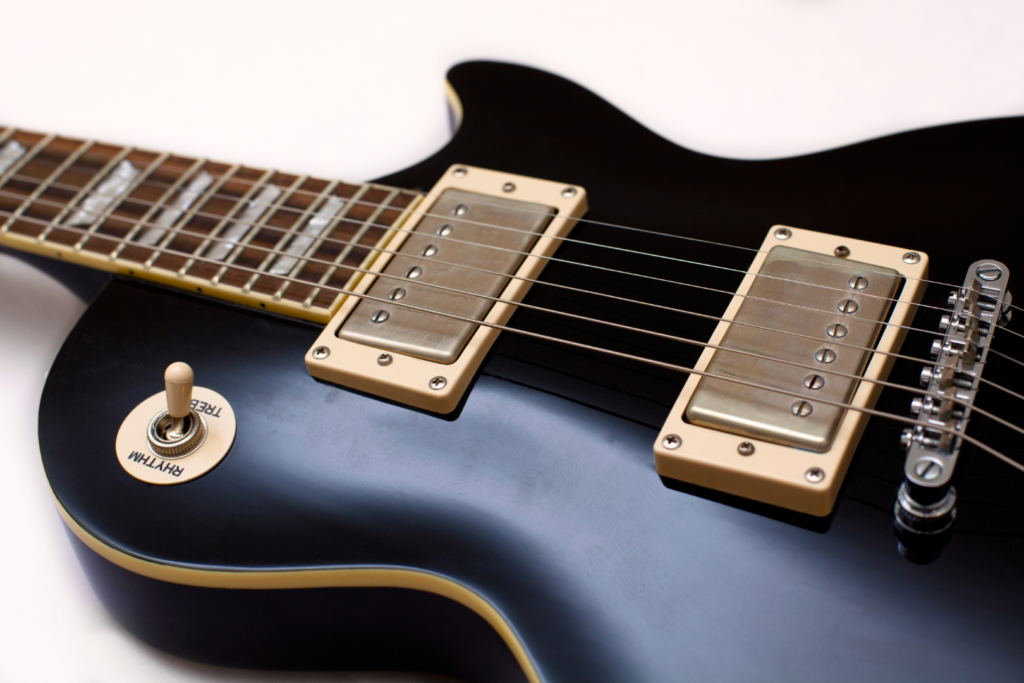
Start With How You Plan to Use the Guitar
Before comparing specifications, think about the music you want to play and the role the guitar will have.
If this is your first electric guitar, comfort and versatility are usually more important than choosing highly specialized features. A guitar that feels comfortable to hold, has a neck you enjoy playing, and works well across several styles can make it easier to learn and develop your preferences.
Players who already know what they want may have more specific priorities. Someone playing heavier styles may prefer humbuckers, a longer scale length, or additional strings, while a blues or classic rock player may care more about pickup response, neck feel, and traditional bridge designs.
You should also consider where you will use the guitar. A guitar for home practice does not necessarily need the same features as one intended for regular live performance or studio recording. Hardware stability, tuning reliability, weight, and electronics can become more important depending on how often the instrument is transported and how demanding its use will be.
The goal at this stage is not to choose a model yet. It is simply to identify the features that matter most for the way you actually plan to play.
Choose the Right Electric Guitar Body Style
Body style affects more than appearance. It can influence weight, comfort, resonance, feedback resistance, and how the guitar feels against your body when sitting or standing.
Most electric guitars fall into three broad categories: solid-body, semi-hollow, and hollow-body designs.
Solid-Body Electric Guitars
Solid-body guitars are the most common type of electric guitar. Their bodies are built primarily from solid pieces of wood and they rely heavily on pickups and electronics to produce their amplified sound.
They are generally versatile, resistant to feedback, and available in a huge range of shapes, pickup configurations, scale lengths, and bridge designs.
For many players, especially beginners, a solid-body guitar is the easiest place to start because it can work well for rock, blues, pop, metal, country, funk, and many other styles.
The main differences between solid-body guitars usually come from factors such as pickups, neck design, scale length, bridge type, weight, and overall ergonomics rather than the fact that the body is solid.
Semi-Hollow Electric Guitars
Semi-hollow guitars combine a hollow or partially hollow body with a solid center block running through part of the instrument.
This construction can give them a more resonant and open character while still providing better feedback control than a fully hollow guitar.
Semi-hollow guitars are commonly associated with blues, jazz, classic rock, indie, and similar styles, but they can be much more versatile than those associations suggest.
They are often physically larger than typical solid-body guitars, so comfort and body size are worth considering before choosing one.
Hollow-Body Electric Guitars
Hollow-body electric guitars have a largely hollow internal construction and are often designed around a larger body.
They can produce a warm, resonant response and are strongly associated with traditional jazz and similar styles.
The tradeoff is that fully hollow guitars can be more sensitive to feedback at high volume or with large amounts of gain. Their larger bodies may also feel less comfortable for players who prefer compact instruments.
For that reason, a hollow-body guitar usually makes the most sense when its particular feel and response match the type of music you want to play.
Which Body Style Should You Choose?
For most players looking for a versatile first electric guitar, a solid-body model is the safest starting point.
A semi-hollow guitar can be a good choice if you prefer a more resonant feel or simply enjoy the larger body style, while a hollow-body instrument is usually better suited to players who specifically want its traditional response and character.
Body style should help narrow your options, but it should not determine the entire decision. Two solid-body guitars can still feel and sound dramatically different depending on their pickups, necks, scale lengths, bridges, and overall construction.
Understand Electric Guitar Pickups
Pickups have a major influence on how an electric guitar responds, especially when it is plugged into an amplifier. They affect output level, clarity, noise, attack, and how the guitar reacts to clean sounds, overdrive, and distortion.
The three pickup types you are most likely to encounter are single-coils, humbuckers, and P90s. Each has its own general character, although the exact sound can still vary significantly depending on the guitar, pickup design, amplifier, and effects being used.
Single-Coil Pickups
Single-coil pickups are known for a clear, bright, and articulate response. They tend to emphasize attack and detail, which can make them especially useful for clean tones, funk, blues, country, indie, and many classic rock styles.
One tradeoff is that traditional single-coils can produce noticeable electrical hum, particularly when using high-gain settings or playing near sources of interference.
If you prefer definition, clarity, and a more immediate response, single-coils are often a strong choice.
Humbucker Pickups
Humbuckers use two coils designed to reduce the electrical hum associated with traditional single-coil pickups.
They usually produce a fuller, thicker sound with more output and a smoother top end. This makes them popular for rock, hard rock, metal, blues, jazz, and styles where players want a stronger or more powerful response.
That does not mean humbuckers are only useful for heavy music. Many humbucker-equipped guitars can produce excellent clean tones as well, especially when paired with the right amplifier settings.
P90 Pickups
P90 pickups are technically single-coils, but they usually have a broader and more aggressive response than traditional narrow single-coils.
They often sit somewhere between the clarity of a traditional single-coil and the fuller character of a humbucker, with a strong midrange and plenty of attack.
P90s are especially popular for blues, classic rock, punk, garage rock, and players who want a rawer, more dynamic sound.
Like other single-coil designs, however, they can still produce electrical hum.
Which Pickup Configuration Should You Choose?
You do not have to choose only one pickup type. Many electric guitars combine different pickups to provide a wider range of sounds.
Common configurations include SSS, HSS, HH, HSH, and several other combinations. For example, an HSS guitar places a humbucker in the bridge position and single-coils in the middle and neck positions, giving the player both higher-output bridge tones and more traditional single-coil sounds.
If versatility is a priority, a mixed pickup configuration such as HSS can be a useful starting point. If you already know the type of response you prefer, a more focused configuration such as SSS or HH may make more sense.
Pickup type is important, but it should be considered together with the rest of the guitar. Scale length, bridge design, neck feel, amplifier choice, and playing technique can all have a major effect on the final sound.
Consider Neck Shape and Playability
Neck shape and overall playability can have as much impact on your experience with a guitar as pickups or body style. A guitar may have the sound and specifications you want, but if the neck feels uncomfortable in your hands, you may simply enjoy playing it less.
There is no single neck profile that is objectively better than another. The right choice depends on your hand size, playing technique, experience, and personal preference.
Neck Profile
The neck profile describes the shape of the back of the neck. Common descriptions include C, D, U, and V shapes, although the exact feel can vary considerably between manufacturers and individual models.
Thinner necks can feel fast and comfortable for players who prefer lighter fretting pressure or technical playing, while thicker necks may provide a more substantial feel in the hand.
Neither approach is automatically easier to play. Some players with large hands prefer thicker necks, while others prefer slim profiles. The best option is the one that allows your hand to remain relaxed while playing.
Nut Width and String Spacing
Nut width affects how closely the strings are spaced near the first few frets. A slightly wider neck can provide more room between the strings, while a narrower neck may feel more compact.
Players with larger hands or those who frequently use complex chord shapes may appreciate additional space. Others may prefer a narrower neck because it feels easier to wrap the hand around.
The differences are often small on paper, but they can be surprisingly noticeable when playing.
Fret Size
Electric guitars also use different fret sizes. Larger frets can make bending strings and applying vibrato feel easier because your fingers do not need to press as closely against the fingerboard.
Smaller frets can provide a more traditional feel and may appeal to players who prefer precise fretting with less vertical movement.
For most beginners, fret size should not be a major deciding factor. It becomes more useful once you have enough playing experience to know what feels comfortable.
Pay Attention to Overall Comfort
Neck specifications are useful for comparing guitars, but numbers cannot fully describe how an instrument feels in your hands.
When possible, consider how easily you can reach the lower and upper frets, whether your fretting hand stays relaxed, and whether the neck feels comfortable during both chords and single-note playing.
Comfort becomes especially important during longer practice sessions. A guitar that feels natural to play will usually encourage you to spend more time with it, which matters far more than choosing a neck specification simply because it looks better on paper.
Choose the Right Scale Length
Scale length is the distance that determines the vibrating length of the strings, measured from the nut to the bridge. It has a noticeable effect on string tension, fret spacing, and how the guitar feels under your fingers.
Two guitars can have similar body shapes and pickups but feel surprisingly different if they use different scale lengths.
Longer Scale Lengths
A longer scale length creates more string tension when the tuning and string gauge remain the same. This generally gives the strings a tighter feel and can make the guitar feel more responsive to players who use lower tunings or prefer firmer string tension.
One of the most common examples is the 25.5-inch scale length used on many Fender-style electric guitars.
Longer scales also create slightly more distance between the frets. The difference is not dramatic, but players with smaller hands may notice it, particularly when playing stretches in the lower positions.
Shorter Scale Lengths
A shorter scale length produces less string tension with the same tuning and string gauge. The strings can feel slightly easier to bend, and the frets are positioned a little closer together.
A common example is the approximately 24.75-inch scale length associated with many Gibson-style guitars.
Players who like a softer, more flexible string feel may prefer a shorter scale. It can also feel comfortable for players with smaller hands, although neck shape and setup can be just as important.
What About Baritone and Extended-Range Guitars?
Baritone guitars and many seven- and eight-string instruments often use longer scale lengths to maintain useful string tension at lower tunings.
These instruments can make sense for players who regularly tune below standard tuning, but the longer neck and wider fret spacing may feel less familiar if you are used to a traditional six-string electric guitar.
Which Scale Length Should You Choose?
For most players choosing a standard six-string electric guitar, scale length does not need to be the first specification you decide on. Both common shorter and longer scales can work across a wide range of styles.
Think of scale length primarily as a question of feel. If you prefer tighter strings, use lower tunings, or want a firmer response, a longer scale may suit you. If you prefer easier bends and a slightly softer feel, a shorter scale may be more comfortable.
String gauge and setup can also change how much tension you feel, so scale length should be considered as one part of the complete instrument rather than a specification that determines whether a guitar is good or bad.
Fixed Bridge vs Tremolo
The bridge affects tuning stability, string changes, setup, and how much control you have over pitch effects such as vibrato and dive bombs.
For most players, the choice comes down to whether you value simplicity and stability or want access to tremolo effects.
Fixed Bridges
A fixed bridge does not move when you play. This generally makes the guitar simpler to tune, easier to restring, and less sensitive to changes in string tension.
Fixed bridges are a strong choice for beginners, players who frequently change tunings, and anyone who prefers a straightforward setup with fewer moving parts.
They are also common on guitars designed for heavier styles because they can provide reliable tuning stability and make alternate tunings easier to manage.
Tremolo Bridges
A tremolo bridge allows you to change string tension with a tremolo arm, creating pitch bends, vibrato effects, and more dramatic changes in pitch.
Traditional synchronized tremolo systems can be relatively simple to use, while locking systems such as Floyd Rose-style bridges provide a much wider range of pitch movement and better stability during aggressive tremolo use.
The tradeoff is additional complexity. Tremolo-equipped guitars can take more time to restring and set up, especially when changing string gauges or tunings.
Locking tremolo systems can be particularly stable once properly set up, but they are usually less convenient for players who regularly switch between different tunings.
Which Bridge Type Should You Choose?
If you do not expect to use tremolo effects, a fixed bridge is usually the simpler choice. It reduces setup complexity and lets you focus on playing rather than maintaining the bridge system.
If tremolo effects are an important part of the music you want to play, choose a guitar with a bridge system that matches how aggressively you plan to use it.
A traditional tremolo can be enough for subtle pitch effects and light vibrato, while a locking tremolo is better suited to players who want large pitch changes and heavy tremolo use.
For a first electric guitar, neither option is automatically better. The important question is whether the extra flexibility of a tremolo system is worth the additional setup and maintenance for the way you plan to play.
How Many Strings Do You Need?
Most electric guitars have six strings, and for the majority of players that is all they will ever need.
A standard six-string guitar gives you access to virtually every common style of electric guitar playing, from blues and rock to pop, country, funk, jazz, and metal.
Six-String Guitars
If you are buying your first electric guitar, a six-string model is usually the best place to start. It keeps learning, tuning, string changes, and technique as straightforward as possible.
Six-string guitars also offer the widest selection of models, pickup configurations, bridge types, and price points.
Seven-String Guitars
Seven-string guitars add a lower string, extending the instrument’s range without removing the familiar six-string layout.
They are especially common in modern metal and other styles that use lower tunings, heavier riffs, or extended-range chord voicings.
The wider neck and additional string can take some adjustment, so a seven-string guitar usually makes the most sense if you already know you need the extra range.
Eight-String Guitars
Eight-string guitars extend the range even further and are designed for players who specifically want very low notes, complex chord voicings, or modern extended-range techniques.
They typically have wider necks, longer scale lengths, and a noticeably different feel compared with a standard six-string guitar.
Which Should You Choose?
For most players, especially beginners, a six-string guitar is the right choice.
Choose a seven- or eight-string guitar only if the music you want to play genuinely requires the additional range. More strings do not make a guitar more advanced or better; they simply give you access to more notes.
Set a Realistic Budget
Your budget affects more than brand name or appearance. As prices increase, you will usually see improvements in hardware, electronics, fretwork, finishing, quality control, and overall consistency.
That does not mean you need an expensive guitar to get a good instrument. There are many affordable electric guitars that are perfectly capable of learning, practicing, recording, and even playing live.
Entry-Level Guitars
Entry-level guitars are designed to keep the cost low while still providing the basic features most players need.
At this level, the biggest differences are often consistency, setup quality, hardware durability, and attention to detail rather than whether the guitar can produce a usable sound.
A well-set-up affordable guitar can be much more enjoyable to play than a more expensive instrument with poor setup.
Mid-Range Guitars
Mid-range guitars often offer the best balance between price, features, and overall quality for many players.
You may get better pickups, more reliable tuners and bridges, cleaner fretwork, improved finishes, and a wider selection of models designed for specific playing styles.
For players who already know what they like, this is often where it becomes easier to choose an instrument with more specific features without moving into premium pricing.
Higher-End Guitars
Higher-end guitars can offer premium hardware, more consistent finishing, higher-grade components, more detailed construction, and stricter quality control.
However, spending more does not automatically mean the guitar will suit you better. A premium instrument with the wrong neck shape, scale length, pickups, or body style can still be a poor fit for your playing.
Do Not Spend Your Entire Budget on the Guitar
If you are starting from scratch, remember that the guitar may not be your only expense. You may also need an amplifier or audio interface, cable, strap, tuner, picks, strings, stand, case, and other basic accessories.
It can be better to buy a slightly less expensive guitar and leave room for a good setup and the equipment you actually need to use it properly.
Focus on Value, Not Just Price
The goal is not to buy the cheapest or most expensive guitar you can afford. It is to find the instrument that gives you the right combination of comfort, features, reliability, and sound for your budget.
This is also where comparing current prices matters. The same guitar may be listed at different prices across retailers, and discounts can make a model from a higher price range more competitive with cheaper alternatives.
Try to Evaluate the Complete Guitar
Specifications are useful for narrowing down your options, but they do not tell the whole story.
A guitar is the result of many elements working together: body shape, weight, neck profile, scale length, pickups, bridge design, fretwork, setup, and overall construction.
Two guitars with similar specifications can still feel very different once you actually play them.
Do Not Judge a Guitar by One Specification
It is easy to focus too heavily on one feature, such as pickup type, body wood, scale length, or bridge design.
Those details matter, but they should be considered as part of the complete instrument. A guitar with your preferred pickups may still feel uncomfortable, while a guitar with specifications you did not originally prioritize may feel immediately natural to play.
Setup Can Make a Big Difference
Setup affects string height, neck relief, intonation, pickup height, and overall playability.
A guitar that feels difficult to play in a store or straight out of the box may simply need adjustment. Likewise, even an expensive guitar can feel poor if the setup is not right for the player.
When comparing instruments, try to separate the basic design of the guitar from issues that can be corrected with a proper setup.
Comfort Matters More Than Specifications on Paper
If possible, pay attention to how the guitar feels when sitting and standing, how easily you can reach the upper frets, whether the neck feels comfortable, and whether the weight is manageable.
These details may not look as impressive on a specification sheet, but they can have a major impact on how often you want to pick up the guitar and play it.
The best choice is usually the guitar that gives you the right combination of comfort, sound, features, reliability, and price rather than the one that wins on a single specification.
Final Checklist: How to Choose an Electric Guitar
Before choosing a guitar, use this checklist to make sure the instrument fits the way you actually plan to play.
- Body style: Decide whether a solid-body, semi-hollow, or hollow-body guitar makes the most sense for your playing style and comfort.
- Pickups: Choose between single-coils, humbuckers, P90s, or a mixed configuration based on the response and versatility you want.
- Neck feel: Consider neck profile, nut width, fret size, and how relaxed your fretting hand feels.
- Scale length: Think about whether you prefer a tighter or softer string feel and whether you plan to use lower tunings.
- Bridge: Choose a fixed bridge for simplicity or a tremolo system if pitch effects are important to your playing.
- Number of strings: Six strings are the best fit for most players; choose seven or eight only if you genuinely need the extended range.
- Budget: Leave room for setup, accessories, and any other equipment you need.
- Overall comfort: Do not let one specification outweigh how the complete guitar feels and performs.
Once you know which features matter most, it becomes much easier to narrow down the available guitars and compare the models that fit your needs and budget.
EXPLORE ELECTRIC GUITARS
Compare electric guitars from multiple retailers, check current prices, and find the models that fit your budget
